


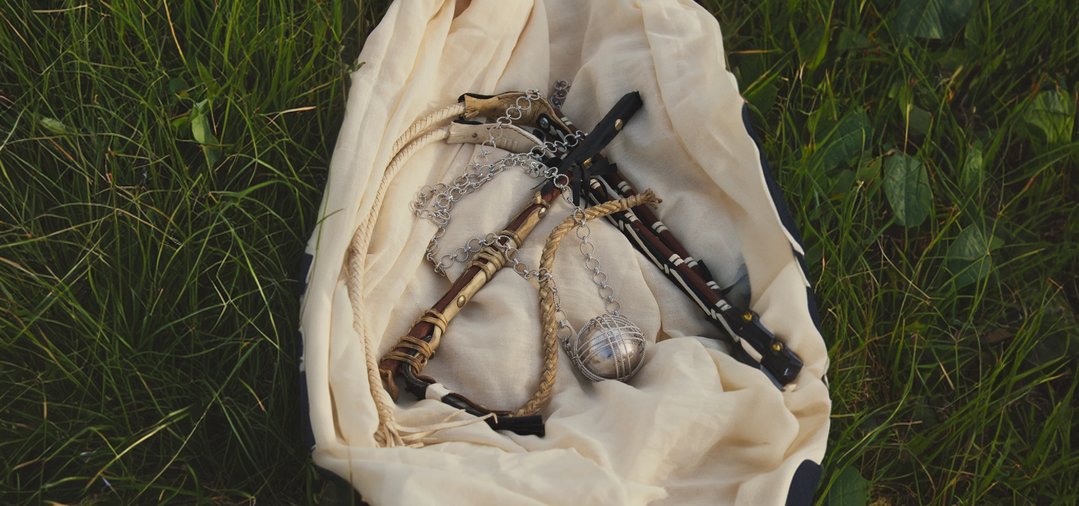

The book «Қош келдің, Әз-Наурыз!» won the Grand Prix at the International Eurasian Book Fair 2023 in Astana and first place at the CIS International Book Fair "Art of the Book 2023" in Moscow.
What is «Qūdalyq»?
It is a matchmaking rite in which the close relatives of the groom and the bride formally meet and form kinship ties.
It is one of the key parts of the Kazakh wedding tradition, which consists of several stages: қыз айттыру, құда түсу, қыз ұзату, неке қию, беташар and той. All of them are held in a certain sequence.
WISHLIST





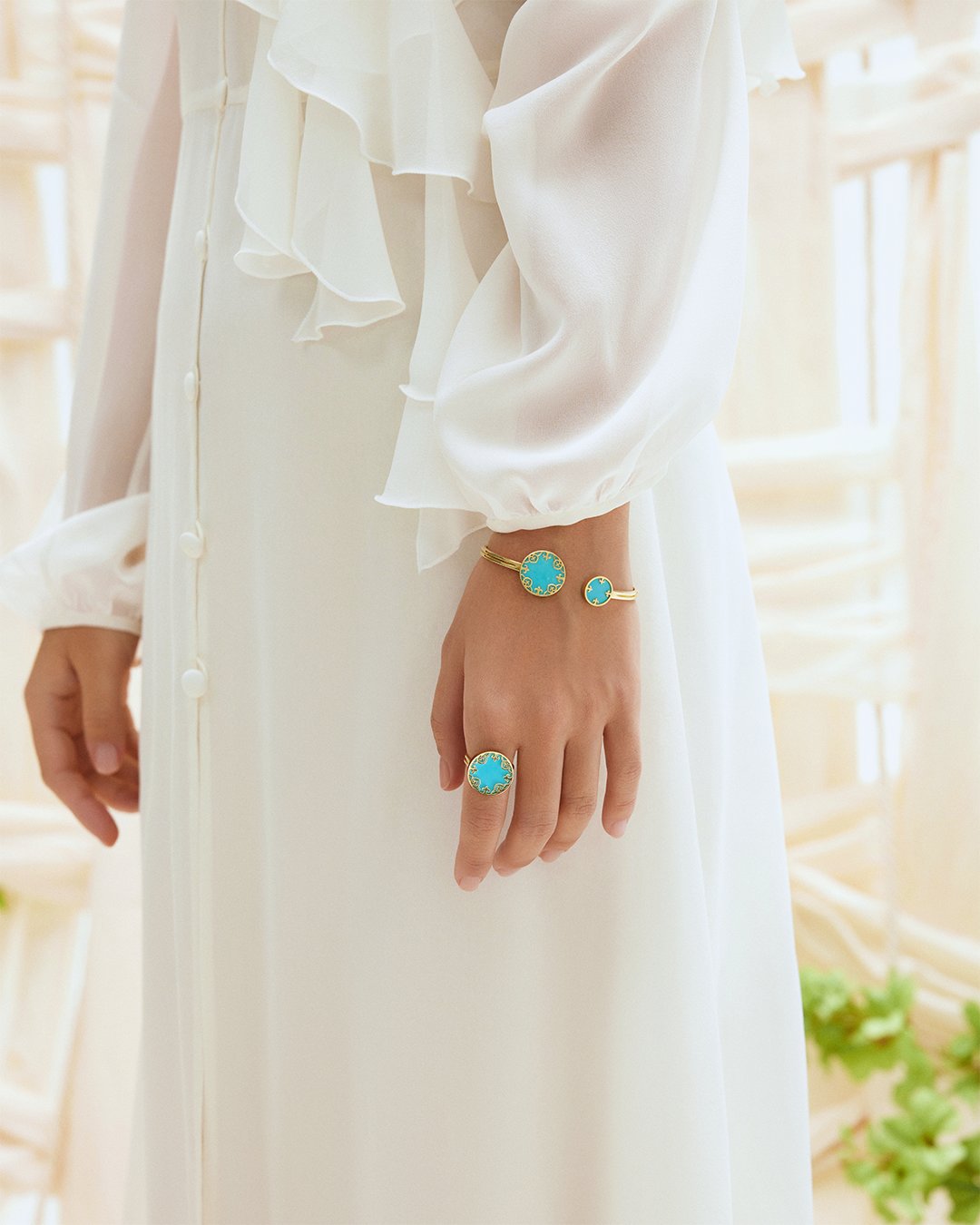
What stages does the rite consist of?
Қыз айттыру is an ancient tradition meaning an agreement about future kinship. Future matchmakers could agree even before children were born. If the agreement was made in advance, the matchmakers were called бел құда, and if it concerned newborns - бесік құда. Even so, such a union was conditional and did not always end in marriage.
When a son grew up, the father would find out whether he had a chosen one. If not - he would look for a bride himself. A жаушы (messenger) was sent to the girl's home for negotiations. If the girl's parents agreed, he was presented with a chapan as a sign of consent. The messenger also left қарғыбау - a horse or money. After a successful mission, preparation for the next stages began.
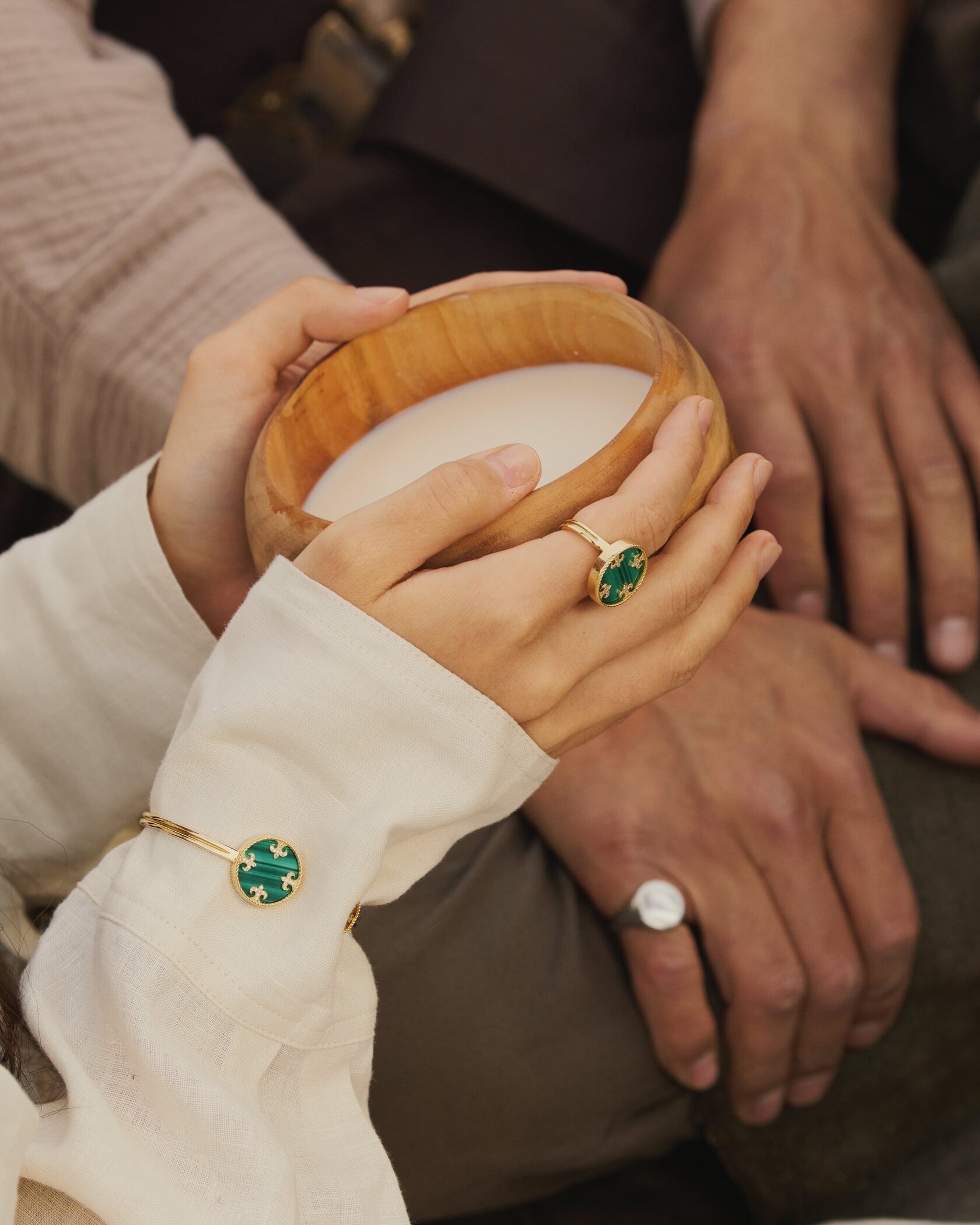
Қыз көру is the viewing of the bride, ұрын бару is the groom's secret trip to the bride's aul, where, staying out of the parents' sight, he met the girl. Not far from the aul a tent was set up, where the girl and the women invited to receive the groom would come. The groom and his friends dismounted from their horses.
The «тәжім» rite was performed - the groom, lowering his hands, bowed low. After this, a relative of the bride took him by the hand and led him into the tent, where the groom also bowed to each kinswoman. This rite was described by Ыбырай Алтынсарин in his study of Kazakh wedding rites. In the yurt the young couple get acquainted and talk.
WISHLIST


The difference between «Құда түсу» and «Qūdalyq»
These concepts are often confused, but they are not identical. Құда түсу is the matchmaking, the meeting of matchmakers held in the home of the bride's parents. Qūdalyq is the broader acquaintance of two clans, the close relatives of the groom and the bride.
On the day of құда түсу, the groom's delegation, led by the бас құда (chief matchmaker), arrives at the bride's parents. It usually consists of an odd number of people - 5 or 7. The meeting is held solemnly, with the dombyra, songs and шашу (showering the guests with sweets and coins). The guests are seated at the дастархан and treated.
Then, in a playful manner, they are asked about the purpose of the visit, and the бас құда eloquently speaks of the groom's intentions and the lineage of his family. When the bride's father gives his consent, the dish құйрық-бауыр is served - boiled liver and fat-tail. This moment seals the agreement with the words: «Күйеу - жүз жылдық, құда - мың жылдық» (the groom is for a hundred years, the matchmakers for a thousand), emphasizing the depth and longevity of the unions between clans.
The fathers of the groom and bride are called бауыздау құда, the relatives - құдалар, the groom - күйеу, the bride - қалыңдық. The matchmaking is sealed by the төс қақтыру rite - a firm embrace and good wishes.
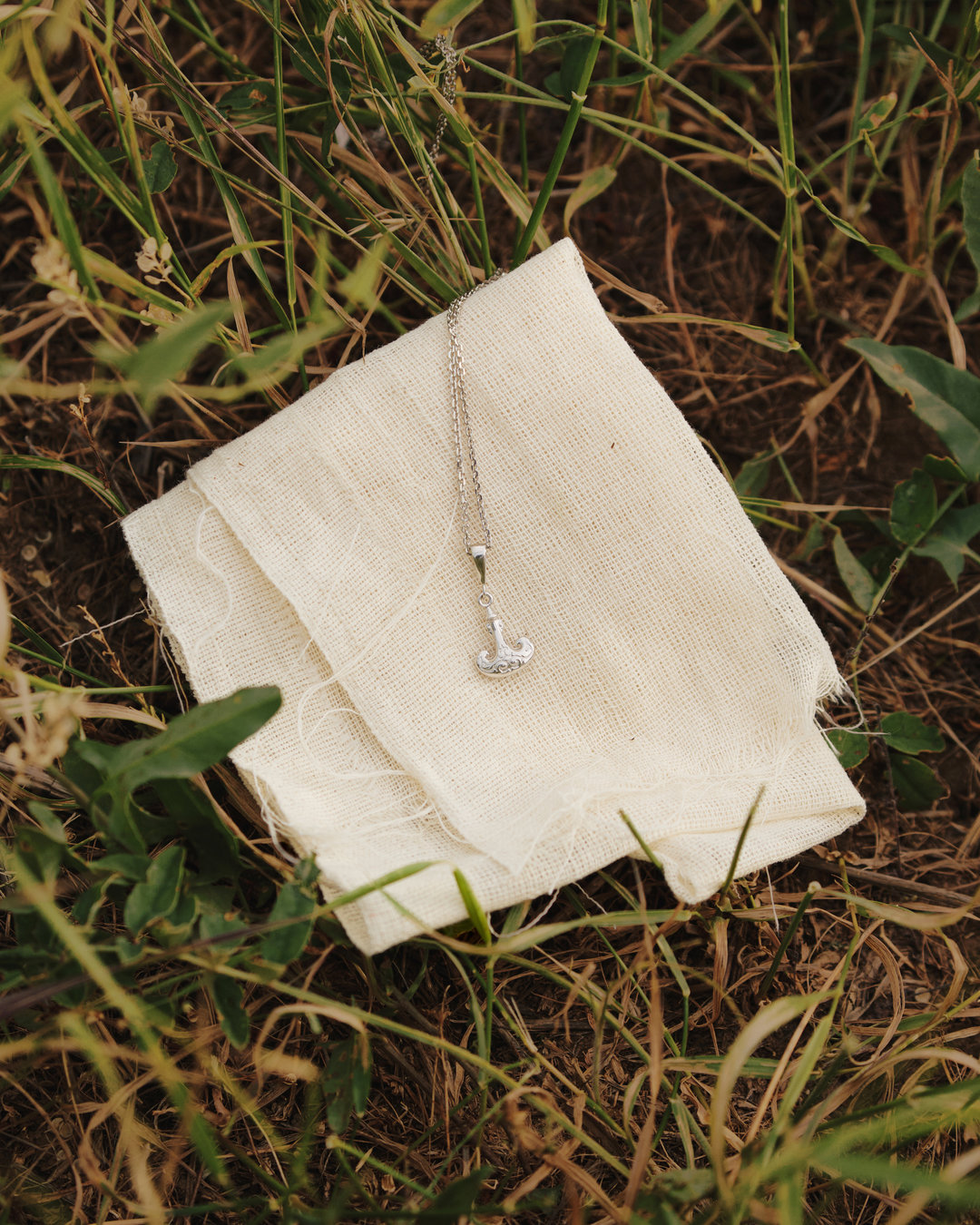
The next stage is Syrğa salu, when earrings are placed on the girl, and үкі - owl feathers - are sewn onto her headdress. This means she is officially betrothed. On the same day, the wedding date and future expenses are discussed.
After the formal part, the қоржын is opened - a bag of gifts for the bride's relatives. Cheerful customs are tied to this stage: құда тарту, киім тігу, арқан тарту - playful trials in which the women from the bride's side ask for gifts, sew chapans to a carpet, block the way with a rope, and so on.
These games highlight the resourcefulness of Kazakh women, who are entrusted with the warm and worthy reception of guests. The rite ends with return gifts - киіт: these may be horses, carpets, chapans, headdresses and jewelry. The қоржын is also returned, filled with gifts for the relatives.
WISHLIST


Qūdalyq today
In Kazakh culture, marriage is not only the union of two people but also the establishment of kinship ties between whole clans. That is why the rite is rich in stages and symbols.
Previously, the groom's parents did not take part directly, but nowadays the құда түсу and Qūdalyq rites are often combined, inviting both parents and relatives from both sides. Often Syrğa salu is held on the same day.
The modern forms of these rites are adapted to the realities of the time, yet they preserve respect for tradition. Observing them is an important part of the cultural identity of the Kazakh people.